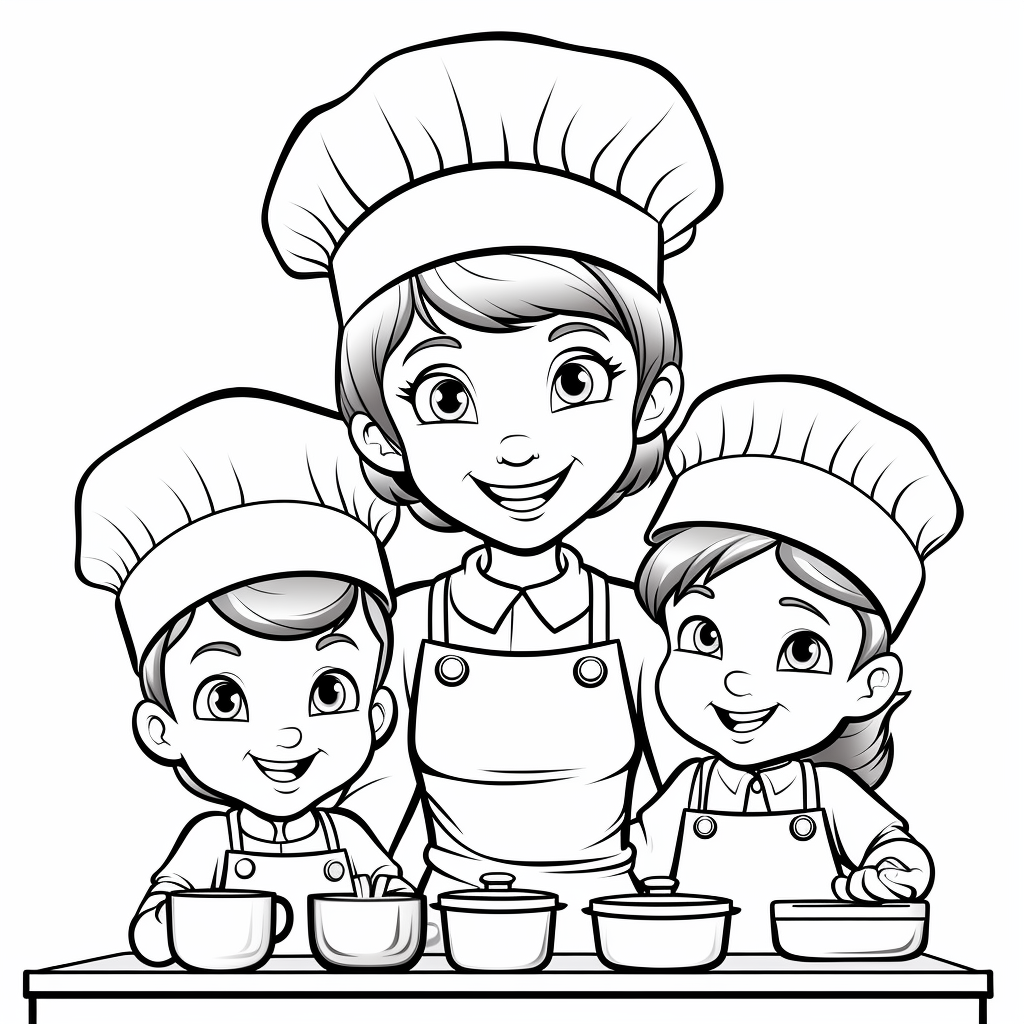
Let’s talk about turning mealtime into a culinary adventure with your kids. We all know that quality family time can be hard to come by in the hustle and bustle of life, but cooking together is a fun and delicious way to bond with your little ones. So, roll up your sleeves, put on those aprons, and get ready for some tasty chaos!
The Joy of Cooking Together (And Making a Mess!)
Now, let’s get real about this cooking-with-kids business. It’s like joining a culinary circus, where flour is the confetti, and eggshells are the surprise performers. Picture this: you’re trying to teach your little one to crack an egg gently, and suddenly, it’s like they’re auditioning for the next egg-splatter Olympics. It’s messy, it’s chaotic, and it’s a whole lot of fun!
But here’s the secret sauce: it’s in those messy mishaps that the magic happens. When you’re surrounded by a mini-tornado of flour and giggles, you’re not just making pancakes; you’re creating unforgettable moments. And yes, those moments include some epic flour fights, but those are the stories you’ll be sharing at family gatherings for years to come.
And let’s not forget the creativity that blooms in the kitchen chaos. Kids have this amazing ability to turn a spoon into a wand, a mixing bowl into a drum, and a carrot into a lightsaber. Cooking together unleashes their imagination, and suddenly, your kitchen is transformed into a realm of culinary wonder. Sure, you might end up with a dish that defies gravity, but it’s a masterpiece in its own right! So, welcome the mess, embrace the laughter, and let your kitchen be the stage for the wildest, funniest cooking show in town.
Nurturing Healthy Eating Habits (Or at Least Trying!)
Alright, let’s dive into the world of teaching your mini-me about healthy eating, but be prepared for a few plot twists and taste bud surprises along the way. You see, when kids are involved in the cooking process, it’s like they’ve joined a food exploration mission on a spaceship. They’re on a quest to discover new tastes, even if they approach that broccoli like it’s an alien from a far-off planet.
Expect some drama as they cautiously take their first bites of their culinary creations. “Hmm, what is this green stuff? Can I trust it?” they’ll ponder, looking at that innocent broccoli floret like it’s plotting something. But here’s the beauty of it – they’re trying it! The food they helped create becomes an adventure on a plate, and even if they don’t instantly declare their love for vegetables, they’re taking steps toward becoming more adventurous eaters.
And let’s not forget those moments when they proudly present their not-so-traditional dishes. It might be a pizza with marshmallows or a sandwich piled so high it defies gravity. But it’s their creation, and it’s an edible masterpiece in their eyes. So, be ready to savor those surprising bites and share in their culinary experiments. Who knows, you might discover a new family favorite that involves ingredients you never thought would go together! So, nurture those healthy eating habits one adventurous bite at a time, and remember, it’s not just about the destination; it’s about the tasty journey.
Food Adoption When They Create It
There’s a fascinating psychological aspect to why kids (and even adults) are more likely to embrace change or new experiences when they actively participate in the decision-making process or creation of those changes. This phenomenon aligns with the concept known as “self-determination theory” in psychology, which underscores the importance of autonomy, competence, and relatedness in fostering motivation and acceptance of change.
When kids are involved in creating a meal or making decisions about what they’re going to eat, several key elements of self-determination theory come into play:
- Autonomy: Allowing children to have a say in what they eat gives them a sense of autonomy and control over their choices. When they actively participate in meal preparation or even just in selecting ingredients, they feel more ownership over the decision, making them more inclined to accept and enjoy the final result.
- Competence: When kids take part in cooking and meal planning, they’re building their competence and confidence in making food-related decisions. As they gain skills in the kitchen and learn about different ingredients and cooking techniques, they become more capable of making informed choices about what they want to eat.
- Relatedness: Cooking together is a social activity that fosters a sense of connection and relatedness within the family. The collaborative effort creates a shared experience, making kids more willing to try new things because they feel a sense of belonging and shared responsibility.
Research in psychology and behavioral science has consistently shown that when individuals are actively engaged in making choices or creating solutions, they are more likely to accept and embrace change or new experiences. This principle extends beyond the kitchen and applies to various aspects of life, emphasizing the value of involving children and even adults in decision-making processes to encourage positive changes and foster a sense of empowerment and ownership. So, whether it’s trying new foods or embarking on other life adventures, involving individuals in the process can lead to more open-mindedness and enthusiasm for change.
Strengthening Family Bonds… and Survival Skills
Okay, let’s talk about the real MVP of cooking with your kids: strengthening those family bonds while simultaneously honing your survival skills in the kitchen. Cooking together isn’t just about creating delicious dishes; it’s about crafting an unbreakable family team that can take on any culinary challenge – or at least try valiantly!
You’ll quickly realize that you’ve entered the realm of real-life kitchen ninjas. It’s a survival training ground where you’ll teach your little ones how to conquer the mysterious art of cracking an egg without sending its contents flying across the room. Expect moments of suspense as you oversee their knife skills, praying that your kitchen remains in one piece. But you’re not just teaching them to cook; you’re giving them essential life skills that will serve them well when they’re on their own.
And in the midst of this culinary chaos, you’re creating family memories that are as resilient as your cast-iron skillet. Those moments when you’re working together, cheering each other on, and laughing about your “oh-no-we-forgot-the-salt” mishaps are the ones that fortify family bonds. You’re showing your kids that you’re a team, that you support one another, and that, even when things get a little messy (literally), you’ve got each other’s backs.


 The Messi Bun